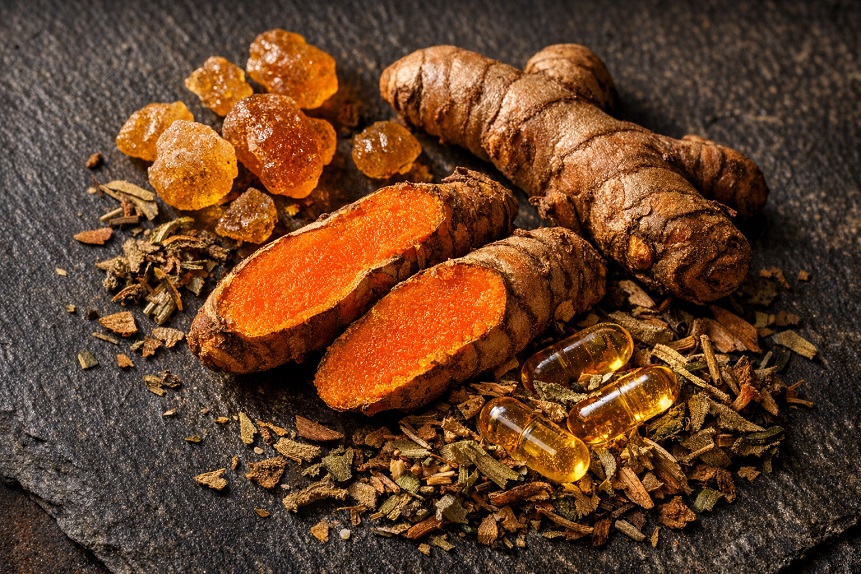
This is the kind of question that makes both conventional medical practitioners and natural health enthusiasts uncomfortable, for opposite reasons. Practitioners tend to be sceptical that any botanical compound could match pharmaceutical anti-inflammatory drugs on clinical outcomes. Natural health advocates sometimes overstate the evidence in the other direction, claiming botanical superiority on the basis of studies that do not quite support such strong conclusions. The honest answer sits somewhere more interesting than either camp typically acknowledges.
NSAIDs, non-steroidal anti-inflammatory drugs including ibuprofen, naproxen, and diclofenac, are the most widely used pharmaceutical approach to joint pain management. They are effective, accessible, and familiar. They also carry significant risks with long-term use, particularly for the gastrointestinal tract, the cardiovascular system, and the kidneys. These risks are not hypothetical: they are documented in large population studies and are the reason why long-term NSAID use is generally discouraged for chronic joint conditions despite the drugs’ effectiveness for acute relief.
The question of whether curcumin and boswellia can serve as alternatives is therefore not merely academic. It has direct relevance to millions of people managing chronic joint discomfort who are weighing short-term symptom relief against long-term health risks.
How NSAIDs Work and Why Their Long-Term Risks Matter
NSAIDs work primarily by inhibiting cyclooxygenase enzymes, COX-1 and COX-2, which are responsible for producing prostaglandins from arachidonic acid. Prostaglandins are the inflammatory mediators most directly responsible for the pain, swelling, and redness of joint inflammation. By reducing prostaglandin production, NSAIDs provide meaningful and relatively rapid symptomatic relief from joint pain and inflammation.
The COX-1 Problem
The issue is that COX-1, unlike COX-2, is not exclusively an inflammatory enzyme. It also produces prostaglandins that protect the stomach lining, support platelet function for blood clotting, and maintain kidney blood flow under stress conditions. Traditional NSAIDs that inhibit both COX-1 and COX-2 simultaneously therefore compromise these protective functions as a side effect of their anti-inflammatory action. Long-term NSAID use is associated with gastric ulcers and gastrointestinal bleeding, increased risk of cardiovascular events including heart attack and stroke, and impaired kidney function, particularly in older adults and those with pre-existing risk factors. These are not rare occurrences: gastrointestinal complications from NSAIDs are estimated to cause tens of thousands of hospitalisations annually in the United States alone. For someone managing chronic joint pain who relies on NSAIDs daily over months or years, these risks accumulate meaningfully.
Selective COX-2 Inhibitors: A Partial Solution
Selective COX-2 inhibitors, such as celecoxib, were developed specifically to provide NSAID-level anti-inflammatory effects without compromising COX-1’s protective gastrointestinal functions. They largely achieved the GI safety goal but turned out to carry elevated cardiovascular risk, leading to the withdrawal of several agents in this class and ongoing caution around those that remain. The cardiovascular risk of COX-2 inhibitors and the gastrointestinal risk of non-selective NSAIDs represent different but comparable trade-offs for long-term joint pain management. Neither profile is comfortable for daily chronic use.
The Clinical Evidence: Curcumin and Boswellia vs. NSAIDs
A small but meaningful body of clinical research has directly compared bioavailable curcumin preparations or boswellia extracts against NSAIDs for joint pain outcomes, and the results are more favourable to the botanical compounds than most people expect. The critical caveat is that these comparisons involve high-bioavailability curcumin formulations, not standard turmeric extracts, which largely cannot be compared to NSAIDs on any fair basis.
Curcumin vs. Ibuprofen: The Head-to-Head Data
A randomised controlled trial published in the Journal of Alternative and Complementary Medicine compared a bioavailable curcumin preparation to ibuprofen (800 mg three times daily) in patients with knee osteoarthritis over four weeks. Pain on walking stairs and on flat ground, and functional assessment scores, were measured at baseline and endpoint. The curcumin group showed outcomes comparable to the ibuprofen group on pain reduction and functional improvement. Crucially, the curcumin group reported significantly fewer gastrointestinal side effects. A separate trial comparing curcumin to diclofenac in arthritis patients over eight weeks found similarly comparable pain relief outcomes, again with curcumin producing fewer adverse gastrointestinal events.
These comparisons used bioavailability-enhanced curcumin at doses that achieve meaningful circulating concentrations. The results would not be expected to replicate with standard turmeric extract at the same milligram dose, because the absorbed curcuminoid concentrations would be a fraction of what the enhanced preparations achieve. This is not a minor technical footnote: it is the whole reason that bioavailability-enhanced forms like CurcuWIN® represent a meaningful clinical advance rather than simply a marketing distinction.
Boswellia vs. NSAIDs: Comparable Pain Relief, Different Onset
Clinical comparisons of AKBA-enriched Boswellia serrata extracts against NSAIDs for osteoarthritis have similarly found broadly comparable pain reduction outcomes over treatment periods of four to eight weeks. One notable difference is that boswellia extracts typically show a faster initial onset of effect than expected for a botanical compound, with AprèsFlex® specifically showing clinically significant symptom improvements within five days, while producing a more sustained and stable effect rather than the more immediate but potentially wearing relief of NSAIDs. The tolerability profile of boswellia is substantially better than NSAIDs across the key risk domains: no gastrointestinal mucosal effects through COX-1 inhibition, no documented cardiovascular risk, and no kidney function concerns at supplemental doses.
What “Replace” Actually Means in Practice
The word “replace” carries a specific clinical meaning that deserves careful handling. For acute pain events, severe inflammatory episodes, or post-surgical pain management, NSAIDs remain the more reliably rapid and potent option. No responsible reading of the current evidence supports abandoning NSAIDs for acute severe joint pain in favour of botanical alternatives. The evidence supports a more nuanced position: for chronic joint pain management in mild to moderate osteoarthritis, bioavailable curcumin and AKBA-enriched boswellia may achieve comparable pain relief outcomes to standard NSAID doses with substantially lower risk profiles over time.
This is a meaningful clinical finding because the target population for chronic joint pain management, people in their fifties, sixties, and beyond with ongoing osteoarthritis-related discomfort, is precisely the population for whom long-term NSAID use carries the greatest cumulative risk. For these individuals, a botanical alternative that produces comparable symptom management without GI, cardiovascular, or renal risks represents a genuinely different risk-benefit calculation, not a compromise.
There is also a mechanistic advantage that the direct pain comparison studies do not capture. While NSAIDs reduce pain effectively, they have no structure-modifying effects on cartilage. Some research has raised concerns that long-term NSAID use may actually accelerate cartilage loss through mechanisms related to COX enzyme inhibition affecting the balance of prostaglandins in joint tissue. Curcumin and AKBA, by contrast, have documented MMP-inhibitory and chondrocyte-protective effects that represent potential cartilage-protective contributions alongside their anti-inflammatory activity. The symptom comparison therefore understates the full picture when the long-term joint health trajectory is factored in.
The Combination Advantage: Why Curcumin and Boswellia Together Are More Compelling
A consistent finding in the research is that curcumin and boswellia address complementary inflammatory pathways rather than simply duplicating the same mechanism. Curcumin’s primary mechanisms are NF-kB inhibition and COX-2 downregulation; boswellia’s AKBA operates primarily through 5-LOX inhibition and direct MMP inhibition. Together they provide coverage of multiple branches of the inflammatory cascade that neither covers adequately alone, and that NSAIDs, which are COX-pathway specific, also do not address comprehensively.
Clinical research on the curcumin-boswellia combination has generally found superior outcomes compared to either ingredient alone, supporting the view that their complementary mechanisms produce genuine additive or synergistic anti-inflammatory effects. For someone transitioning from NSAID use to botanical management of chronic joint pain, a combination formula addressing both the COX and 5-LOX pathways with established evidence for each is a more complete pharmacological strategy than using either botanical alone.
For the full context on how these botanical ingredients interact with the structural support components in a comprehensive joint formula, our article on the complete joint ingredient stack analyzed brings all the mechanisms together. And for anyone currently managing joint pain with regular NSAID use, our guide to building a complete joint health routine covers how dietary, lifestyle, and supplementation approaches can be combined with, or gradually reduce reliance on, pharmaceutical pain management.
Frequently Asked Questions
- Should I stop taking NSAIDs and switch to curcumin and boswellia immediately?
- No supplement should be substituted for prescribed medication without discussing the change with a healthcare professional. If you are taking NSAIDs under medical supervision for a diagnosed condition, the decision to reduce or substitute them involves clinical factors beyond what any supplement article can address. The evidence reviewed here supports the potential for botanical alternatives to provide comparable relief for mild to moderate chronic joint pain, but the transition decision and timeline are individual and should be managed with professional input.
- How long do I need to take curcumin and boswellia before comparing them to my current NSAID use?
- Both curcumin and boswellia produce anti-inflammatory effects on a timeline of days to weeks for the inflammatory pathway mechanisms, with AprèsFlex® in particular showing effects within five days. For a fair comparison to NSAIDs, which provide symptomatic relief within hours of a dose, an assessment period of four to eight weeks of consistent botanical supplementation is more appropriate, as this allows the full range of mechanisms to establish their effects. Comparing after only a few days would underestimate the botanical alternatives’ effectiveness.
- Do curcumin and boswellia have any side effects to be aware of?
- Both have well-established safety profiles from clinical research with minimal serious adverse effects at supplemental doses. The most commonly reported issues are mild gastrointestinal symptoms in a small proportion of users, which are considerably less frequent and less serious than the GI effects associated with long-term NSAID use. Curcumin may interact with blood-thinning medications and should be used cautiously alongside anticoagulants. Boswellia may modulate liver enzyme activity and should be discussed with a prescribing physician by anyone on multiple medications metabolised by liver enzymes.
- Are there people for whom NSAIDs remain preferable to botanical alternatives?
- Yes. For acute, severe joint pain, post-surgical pain, acute inflammatory arthritis flares, and situations where rapid and potent pain relief is necessary for function, NSAIDs remain more reliably effective on a short-term basis. The evidence for botanical alternatives is strongest in the context of ongoing management of mild to moderate chronic joint pain rather than acute severe episodes. Both have their appropriate contexts, and the choice between them is not always binary.
The research is not a simple endorsement that botanicals always equal or beat pharmaceuticals for joint pain. It is a more nuanced finding: that for the specific context of chronic mild-to-moderate joint pain management, bioavailable curcumin and AKBA-enriched boswellia can achieve comparable symptomatic outcomes to standard NSAID doses with a meaningfully different long-term risk profile. For millions of people who rely on daily NSAIDs while worrying about their stomach, heart, or kidneys, that nuance is worth taking seriously.