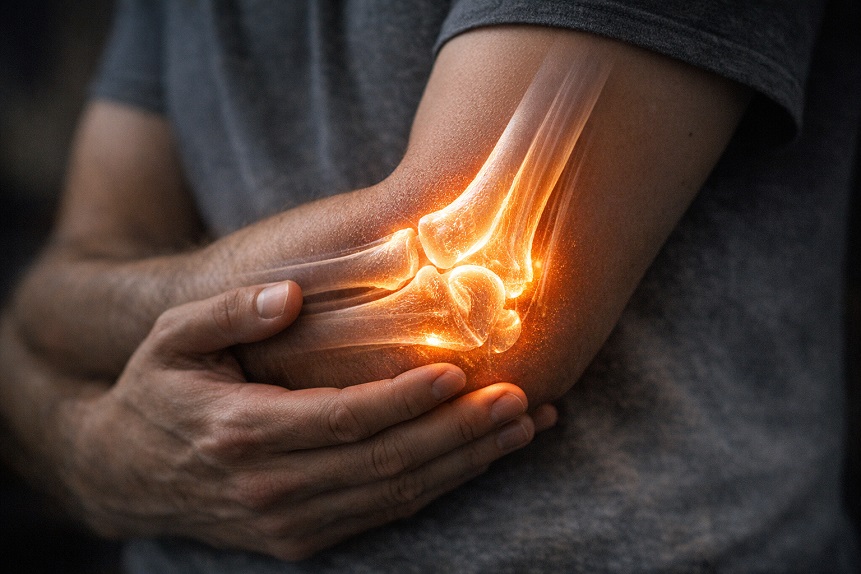
Cold water immersion has gone from a niche practice of dedicated athletes to a cultural phenomenon in the space of a few years, driven by high-profile advocates, viral social media content, and a genuine scientific curiosity about what happens to the body when it is subjected to acute cold stress. The health claims attached to cold plunging are extensive – improved mood, faster recovery, reduced inflammation, enhanced immune function, metabolic benefits – and the evidence behind those claims varies considerably in quality and specificity. For joint health specifically, the picture is more nuanced than either enthusiastic practitioners or skeptical critics tend to acknowledge, and it requires separating what cold water immersion actually does from what it is frequently claimed to do.
This article focuses specifically on the joint inflammation dimension – the question most relevant to people managing chronic joint conditions who are wondering whether a cold plunge routine deserves a place in their joint health approach. The answer involves understanding the difference between acute and chronic inflammation, the distinction between pain reduction and inflammation reduction, and the honest state of the clinical evidence in joint-specific populations.
What Cold Water Immersion Does Physiologically
The physiological response to cold water immersion is well-characterized, and understanding it is the necessary foundation for evaluating the specific joint health claims.
Vasoconstriction and the Reduced Swelling Effect
Immersion in cold water triggers immediate and profound peripheral vasoconstriction – the narrowing of blood vessels in the skin and superficial tissues to minimize heat loss and protect core temperature. This vasoconstriction reduces blood flow to the immersed tissues, which reduces the delivery of inflammatory cells and inflammatory mediators to the site of any ongoing inflammation. In the context of acute joint inflammation following exercise or injury, this reduced delivery of pro-inflammatory signals and cells provides a genuine anti-swelling and anti-inflammatory effect in the acute phase – typically the first 24 to 72 hours. This is the legitimate biological basis for the use of cold in acute injury management, and it is well-established in sports medicine practice.
Noradrenaline Release and the Systemic Effects
Cold water immersion triggers a substantial noradrenaline (norepinephrine) release – research by Susanna Søberg and colleagues has documented noradrenaline increases of 200 to 300 percent following cold water immersion at approximately 14 degrees Celsius. Noradrenaline has several relevant effects: it contributes to the mood elevation and alertness that cold plunge practitioners describe, it has some anti-inflammatory properties through its effects on immune cell function, and it activates brown adipose tissue (BAT) thermogenesis in ways that may have metabolic benefits. The noradrenaline release is one of the more robustly documented acute physiological effects of cold immersion and provides biological plausibility for some of the broader health claims beyond simple vasoconstriction.
The Vagal Nerve Response and Systemic Inflammatory Regulation
Cold water immersion activates the vagus nerve through the cold-shock response, and vagal nerve activation has documented anti-inflammatory effects through the cholinergic anti-inflammatory pathway – a neurological mechanism by which the vagus nerve modulates systemic macrophage activity and cytokine production. The clinical relevance of this mechanism for chronic joint inflammation in humans is not yet clearly established at the level of specific joint outcome data, but the mechanistic pathway is legitimate and is the subject of active research in the context of various chronic inflammatory conditions.
The Evidence for Chronic Joint Inflammation: Where the Hype Outpaces the Data
The distinction between what cold water immersion does acutely and what it does for chronic inflammatory conditions is where the most important gap between evidence and enthusiasm lies.
The evidence for cold water immersion reducing acute, exercise-induced inflammatory markers is reasonably established. Multiple studies have documented reduced post-exercise plasma CRP, IL-6, and creatine kinase levels following cold water immersion compared to passive recovery, along with reduced perception of muscle soreness and faster return to functional performance. In the context of training recovery for athletes, there is genuine evidence that cold immersion meaningfully reduces the acute inflammatory response to exercise.
The evidence for cold water immersion reducing chronic joint inflammation in osteoarthritis or inflammatory arthritis populations is substantially weaker. The leap from “reduces post-exercise inflammatory markers in healthy athletes” to “reduces chronic synovial inflammation in osteoarthritis patients” is a large one that the available evidence does not yet adequately bridge. Chronic joint inflammation in osteoarthritis is driven by ongoing cartilage degradation products, altered synovial membrane biology, and the persistent low-grade inflammatory signaling of the joint’s own damaged tissue – mechanisms that are fundamentally different from the acute inflammation of an exercise bout, and for which there is no clear evidence that repeated cold immersion provides meaningful long-term reduction.
An important caution for people with chronic joint conditions is that cold immersion temporarily worsens synovial fluid viscosity – cold synovial fluid is thicker and less effective as a lubricant – and may temporarily worsen the stiffness and discomfort of already-compromised joints in the immediate post-immersion period. People who have tried cold plunging and found that their arthritic joints feel worse rather than better in the hours afterward are having a physiologically explicable response rather than an idiosyncratic reaction. The vasoconstriction and tissue cooling effects that reduce acute exercise inflammation may actively worsen the stiffness of chronically inflamed or cartilage-depleted joints in ways that the athlete recovery research does not capture because it studies healthy athletic joints rather than pathological ones.
Contrast Therapy: Where the Evidence Is Somewhat More Positive
The alternation of hot and cold – contrast therapy – has a more specific evidence base for musculoskeletal conditions than cold immersion alone, and may be more appropriate for people with chronic joint conditions than cold-only protocols. The alternating vasodilation (from heat) and vasoconstriction (from cold) is proposed to create a pumping effect that improves fluid clearance from oedematous or mildly inflamed tissues, and several small studies of contrast hydrotherapy have found positive effects on joint pain, range of motion, and functional outcomes in osteoarthritis populations.
Contrast protocols typically alternate three to four minutes of warm water (approximately 38 to 40 degrees Celsius) with one minute of cold water (15 to 18 degrees Celsius) over four to five cycles, ending on cold. The evidence for this approach is not dramatic in effect size, but it is more directly relevant to the chronic joint health population than athlete recovery research, and the warm component addresses the stiffness dimension that cold-only immersion may worsen.
Who Benefits and Who Should Be Cautious
Cold water immersion for joint health is most clearly evidence-supported for two specific populations: athletes managing training-related joint inflammation as part of a performance recovery approach, and people seeking the mood, alertness, and general resilience benefits that the noradrenaline and vagal responses produce as a complement to their broader health approach. For these groups, the acute effects of cold immersion are genuine and the potential contribution to overall wellbeing is real even if the specific chronic joint inflammation evidence is limited.
People with chronic osteoarthritis, particularly of peripheral joints that will be directly cooled during immersion, should approach cold plunging with realistic expectations and should monitor whether the practice worsens their joint symptoms. Those who find the immediate post-immersion period comfortable and experience general wellbeing benefits without joint symptom worsening can incorporate cold immersion at frequencies that feel sustainable. Those who find that their arthritic joints are consistently worse for several hours after cold immersion should not feel obligated to continue the practice for joint health purposes – the evidence does not support it sufficiently to justify a practice that predictably worsens symptoms.
Cardiovascular cautions apply to cold water immersion as they do to sauna, and in cold immersion the risk is arguably higher: the cold-shock response triggers a rapid heart rate and blood pressure spike that can be significant in people with cardiovascular conditions. For the joint health population – which skews toward older adults with a higher prevalence of cardiovascular risk factors – this consideration deserves explicit acknowledgment. Anyone with known cardiovascular disease should discuss cold water immersion with their cardiologist before beginning a regular protocol.
Frequently Asked Questions
- Does cold water temperature matter, and what temperature is most studied?
- Temperature matters significantly for both the physiological response and the practical experience. Most research on the cold-shock response, noradrenaline release, and anti-inflammatory effects of cold immersion has used water temperatures in the range of 10 to 15 degrees Celsius – cold enough to produce a significant physiological response without the extreme cold of ice bath protocols. The specific noradrenaline research by Søberg used approximately 14 degrees Celsius. Temperatures below 10 degrees Celsius produce stronger responses but also significantly higher discomfort and cardiovascular stress. The practical range for most people pursuing joint health benefits is 12 to 15 degrees Celsius, achievable in cold showers or natural water bodies in cooler climates.
- How does cold water immersion compare to a cold pack applied to a specific joint?
- Local cold pack application and whole-body cold water immersion are distinct interventions with different effects. A cold pack applied directly to an acutely inflamed joint produces local vasoconstriction, pain relief, and reduction of local inflammatory cell activity at the treated joint. Whole-body cold water immersion produces systemic effects including noradrenaline release, vagal activation, and global vasoconstriction alongside the local effects on immersed joints. For an acutely inflamed single joint, a local cold pack is the more targeted and practical intervention. For systemic wellbeing and the potential systemic inflammatory effects that whole-body cold immersion advocates, localized cold application does not provide an equivalent.
- Is there any evidence for cold water immersion specifically in rheumatoid arthritis?
- Research on cold water immersion in rheumatoid arthritis specifically is limited, and the findings that exist are mixed. Cold therapy applied locally to inflamed joints can provide acute pain relief in rheumatoid arthritis flares through the same mechanisms as in osteoarthritis. Whole-body cold immersion carries additional considerations in rheumatoid arthritis because Raynaud’s phenomenon – a condition in which cold triggers exaggerated vasospasm in peripheral blood vessels – is common in people with rheumatoid arthritis and can be significantly worsened by cold water immersion. This is a meaningful contraindication that people with rheumatoid arthritis should be aware of before beginning any cold immersion practice.
Cold water immersion deserves neither the uncritical enthusiasm of its most vocal advocates nor the reflexive dismissal of its sceptics. The acute physiological effects are well-characterized and genuinely positive in specific contexts – post-exercise recovery, mood enhancement, vagal tone support. The chronic joint inflammation evidence is more limited and the direct application to osteoarthritis specifically is less supported than the general anti-inflammatory claims imply. The most honest position is to treat cold immersion as a potentially useful addition to a comprehensive joint health approach for people who find it tolerable and who do not experience symptom worsening from it, while resisting the tendency to position it as a primary or sufficient intervention for chronic joint conditions that have evidence-based management approaches at their core.